What This Covers
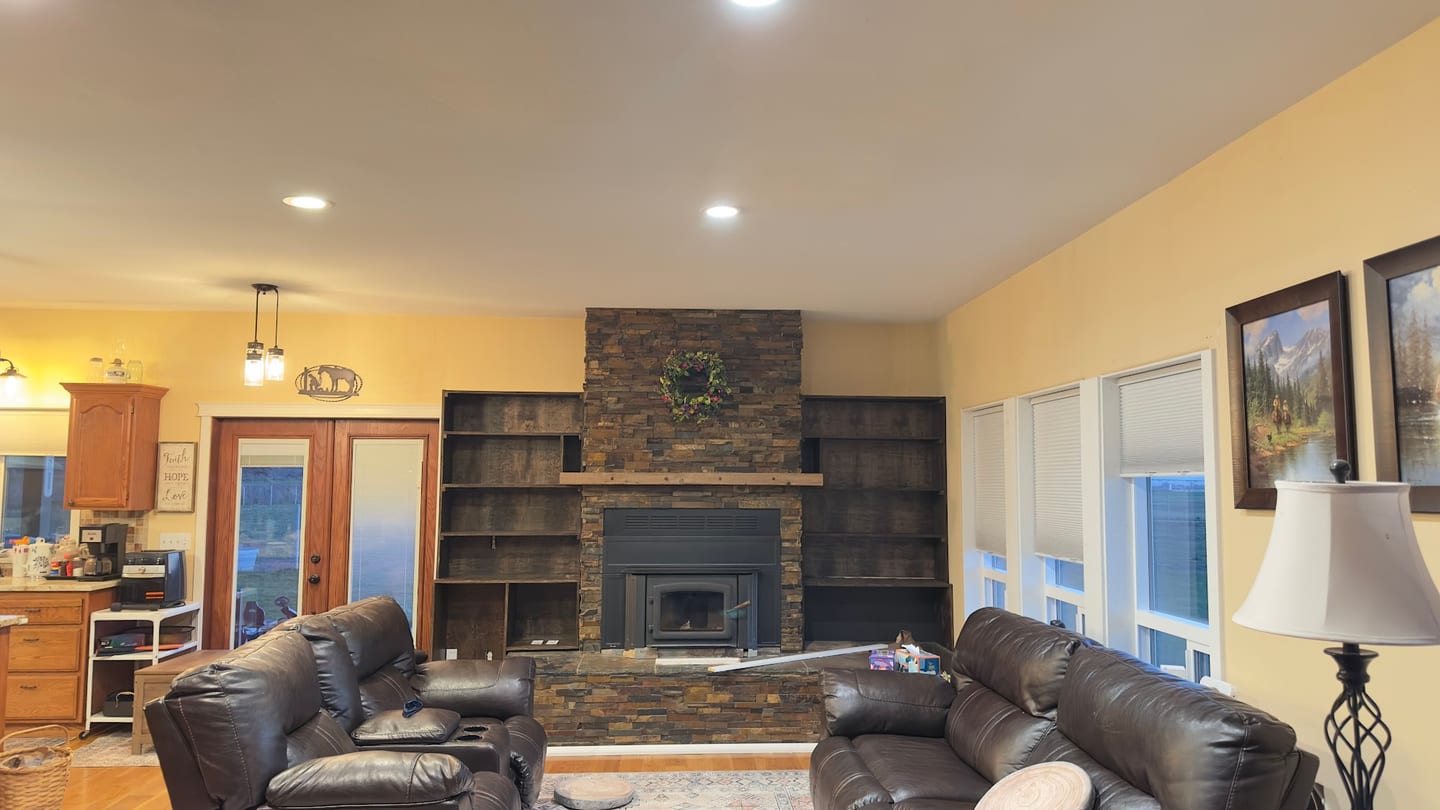
One door that will not latch is a normal call, and so is a single wall of shelves. Carpentry is also the piece other work tends to leave unfinished, so if a project stalled at the trim, that is a normal call too.
Trim Work
- Baseboard and casing run through one room or the whole house
- Crown and window trim fit to walls that are not straight
- Interior doors hung in openings that have shifted out of square
- Wainscot and paneled walls in an entry or dining room
Built-Ins
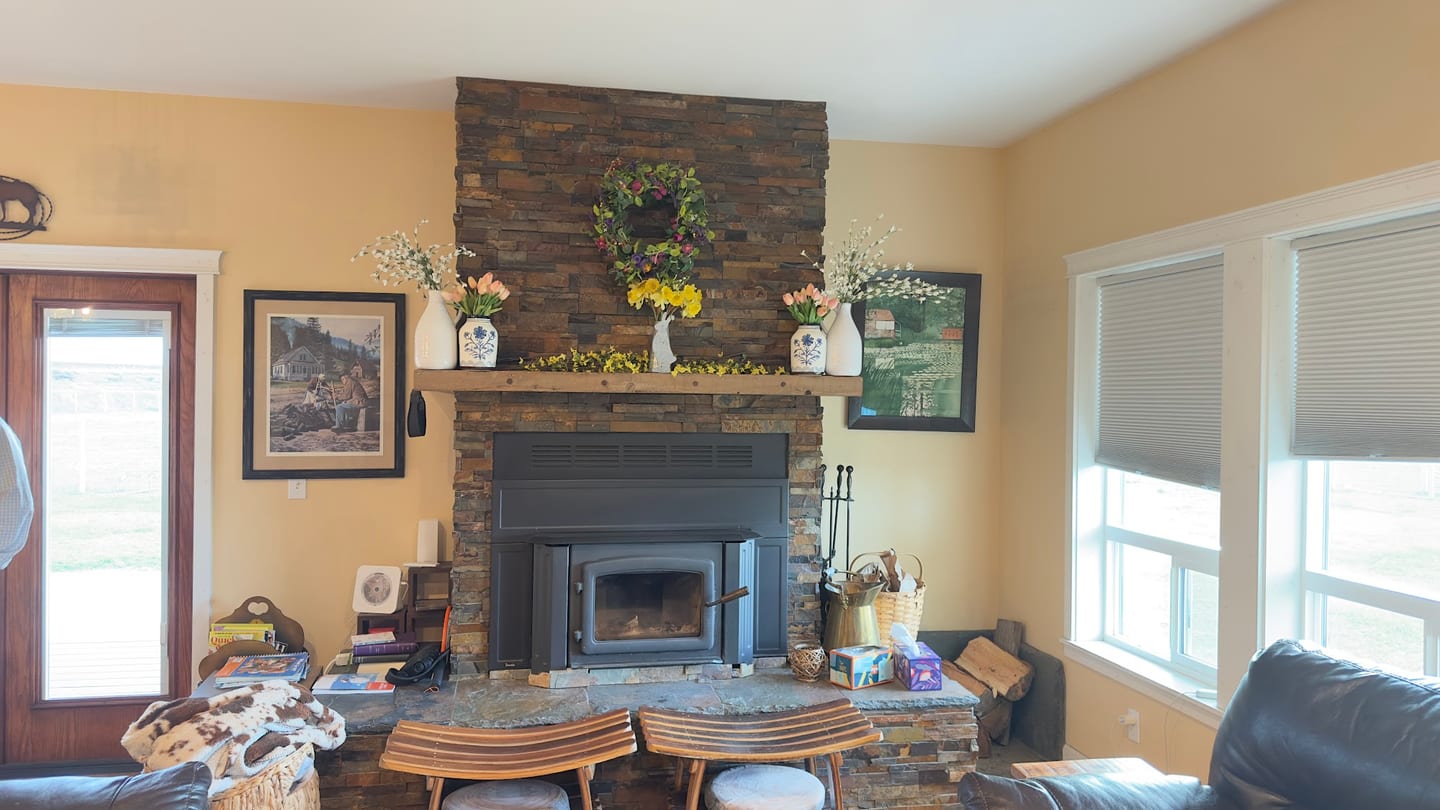
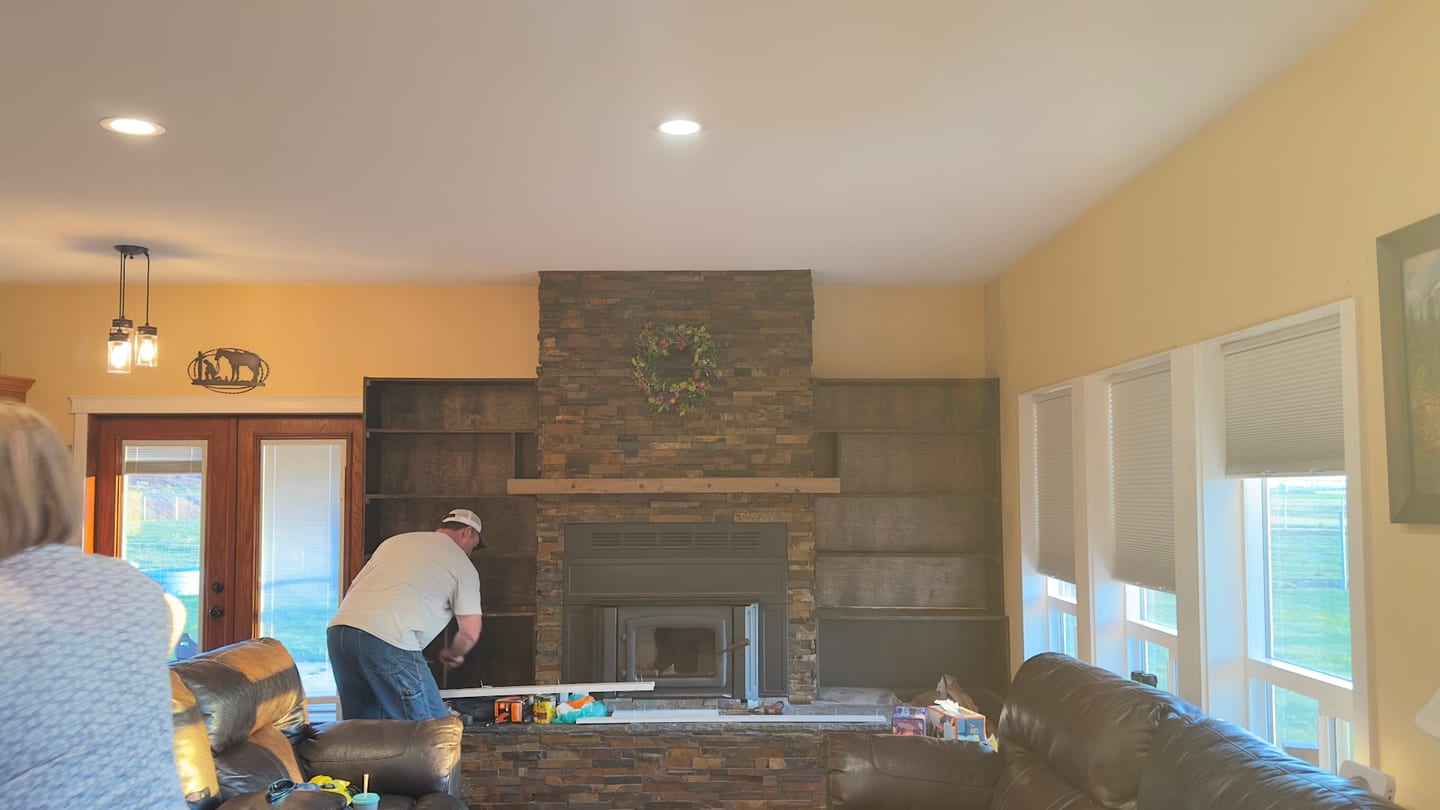
- Bookcases and cabinets scribed to the wall they sit against
- Floating shelves anchored into framing, not just drywall
- Pantry and closet shelving laid out for what you actually store
- Mudroom benches, hooks, and cubbies by the back door
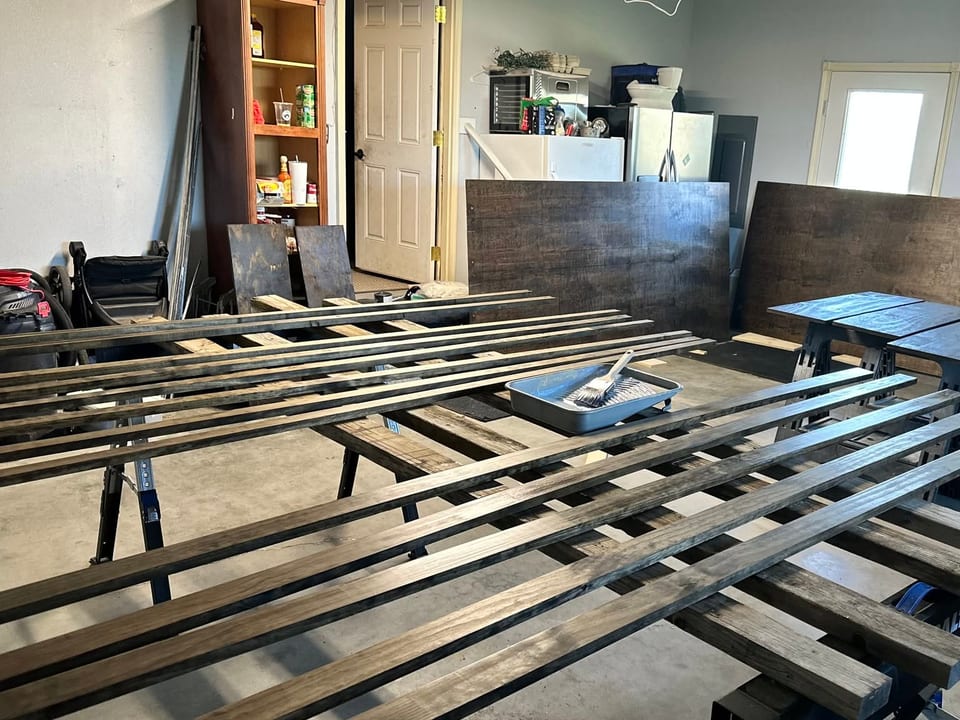
- Shop and garage workbenches with storage above
Repairs
- Trim profiles rebuilt from stock pieces when the original is discontinued
- Doors that stick in summer and swing open in winter
- Cabinet doors and drawer slides reset so they close square
- Water damaged casing and sills under a window that leaked
- Squeaky treads and loose newel posts on interior stairs
How Custom Carpentry Usually Goes
Most carpentry calls start with a picture of the finished piece. Shelves in the alcove, casing around a new window, a bench by the back door. Building it is rarely the hard part. The house it has to fit into decides that, because walls are rarely plumb, floors run downhill somewhere, and the framing behind the drywall is not always where you want it. So we measure that first, before anyone talks about wood.
Wood moves here more than people expect. Long dry summers, hard freezes, big day to night swings, then months of furnace heat pulling the indoor air dry. Interior wood shrinks through the winter and swells again in the summer, which is why mitered corners open on their own and a door that shut cleanly in January drags by July. People shop for the species. How the piece is cut and fastened is what holds up over those swings, leaving panels room to move instead of pinning everything tight and hoping it stays put.
Matching what is already in the house is the other half of the work. Trim profiles from an older house are usually not sitting at a supplier anymore, so the real options are building the profile back up from stock pieces, running something close and living with the difference, or redoing the trim in that room so it all reads the same. Paint hides a lot that stain will show. You get that tradeoff before the work starts, not after it is on the wall. A kitchen island brought down to one level is a good example of carpentry that changes how a room is used.
Questions
Carpentry Questions
The questions that come up before a carpentry job starts, answered the way we would answer them standing in the room.
Is a built-in worth building, or should I just buy furniture?
If the space is square and ordinary, buy the furniture. A freestanding bookcase does the same job as a built one and it leaves with you when you move. There is no sense building something custom to stand against a flat, plain wall.
A built-in earns its place when the space refuses to cooperate. An alcove nobody makes a cabinet for, the dead run under a staircase, a wall with a vent or a window sitting right where the shelving wants to go, a ceiling that slopes. That is where a built piece uses the space you actually have and stops looking like something got parked there. We will tell you which situation you actually have before you commit to either one.
Can you match the trim that is already in my house?
Often yes, and when the answer is no you hear it early. Older houses around here run trim profiles that are no longer stocked, so an exact match off the shelf is not always there to buy.
What decides it is whether the shape can be rebuilt. A lot of older profiles are really two or three simpler pieces stacked together, and those can be assembled to sit beside the original. Some cannot, and then the choice is a near match or replacing the trim in that room so everything reads the same. Paint hides a small difference that stain shows plainly, so the finish you plan on changes what counts as a good enough match.
Can the built-in have lights or an outlet in it?
Anything electrical goes to a licensed electrician. Lit shelving, an outlet inside a cabinet, a switch that lands where the new piece needs to go: the carpentry is ours, the wiring is theirs. We build the piece to accept it and work out the sequence so the same wall does not get opened twice.
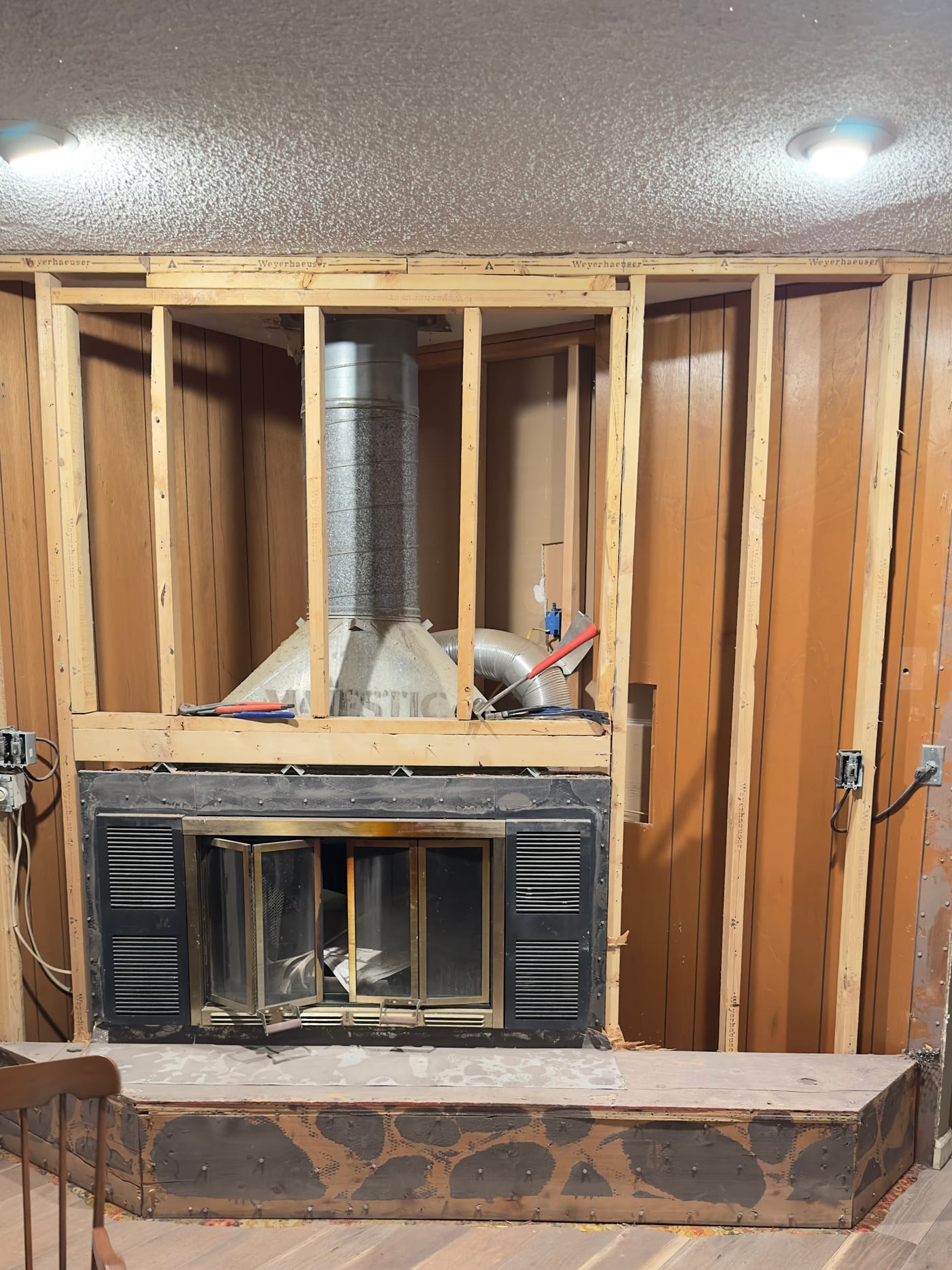
The same answer applies if the plan involves taking out a wall. Whether a wall is carrying load is not a judgment call to make from the attic hatch, so structural changes belong with an engineer and the permit process. Plumbing and gas lines sitting in the way go to those trades too. Most built-ins need none of this, but it is better known at the drawing stage than after demo.
What is it like having the work happen in my house?
Most of it happens in the room itself, which is the part people underestimate. Trim and built-ins get cut to fit the space they go in, so there is a saw running, there is dust, and there is a room you cannot fully use for a stretch. We contain it and clean up at the end of each day, and you know which rooms are affected before anything starts.
Interior carpentry is good cold weather work. It does not stop for wind, smoke season, or a hard freeze the way outside jobs do, so the winter months are usually the easiest time to get it on the calendar. You get a realistic window before we start, and if a material has to be ordered in, you hear that up front rather than halfway through.
Ready to get it done?
Tell us about the project, or call and talk it through.